
Shipping your vehicle from the U.S. to Costa Rica? It might sound complicated—but it doesn’t have to be!
Whether you’re relocating, importing a vehicle for resale, or bringing in your dream car, the shipping process becomes smooth when you know what to expect. You need the right paperwork, the right partner, and a solid understanding of local regulations.
That’s where we come in. In this guide, you’ll learn exactly how to ship your car from the U.S. to Costa Rica—from choosing a port and shipping method to understanding import duties and prepping your car for delivery.
Let’s get into the details and get your vehicle on the road in Costa Rica! 🇨🇷🚢
Go Ocean Logistics offers frequent sailings from major U.S. ports to Puerto Limón, Costa Rica’s primary car import terminal. Transit time typically ranges from 2 to 4 weeks, depending on the port of origin and your chosen shipping method.
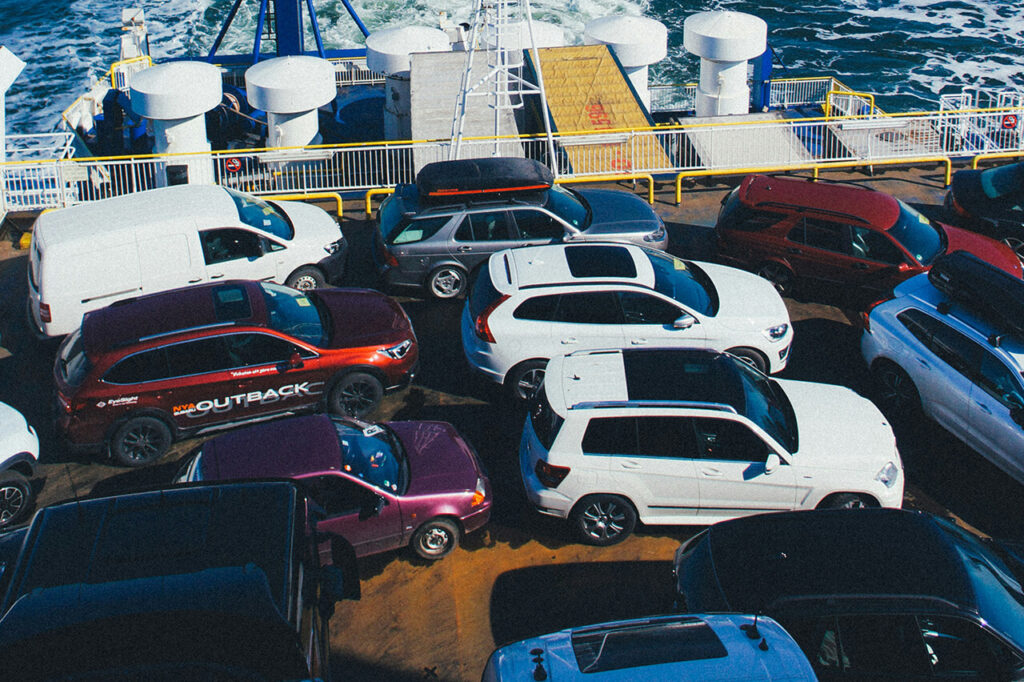
Most popular and affordable option. The vehicle is driven onto the vessel and secured for the journey. Must be operable and empty.
Best for high-value vehicles, inoperable cars, or when you need to ship personal items along with the vehicle. More secure and weather-protected.
Costa Rica’s import tax structure is based on the CIF value (Cost + Insurance + Freight). The older the vehicle, the higher the duty:
Additional fees may include port charges, registration, and emissions testing. We strongly recommend verifying the vehicle’s tax estimate using the Ministerio de Hacienda calculator.
Puerto Limón is the primary port for car imports in Costa Rica. From there, Go Ocean Logistics can coordinate transport to San José or your final destination via trusted inland carriers.
Shipping a vehicle from the U.S. to Costa Rica is straightforward when you have the right logistics partner and a clear plan. From choosing your method of transport to clearing customs and estimating taxes, every step matters—but it doesn’t have to be stressful.
With Go Ocean Logistics by your side, you’ll get end-to-end support, expert advice, and transparent communication throughout the journey.
Here’s what you need to do next: